Threads of Innovation /
Learning from Communities, Craft Practices, and Living Heritage in Sarawak
Field immersions
Collaborators :Sarawak Craft Council
Excursions and Field Visits
As part of the Threads of Innovation project, the visit to Sarawak extended beyond the conference venue into a series of immersive field visits that provided firsthand engagement with the region’s craft traditions, cultural heritage, and community knowledge systems. These excursions offered opportunities to observe how craft practices are preserved, interpreted, and transformed across museums, cultural institutions, and living communities.
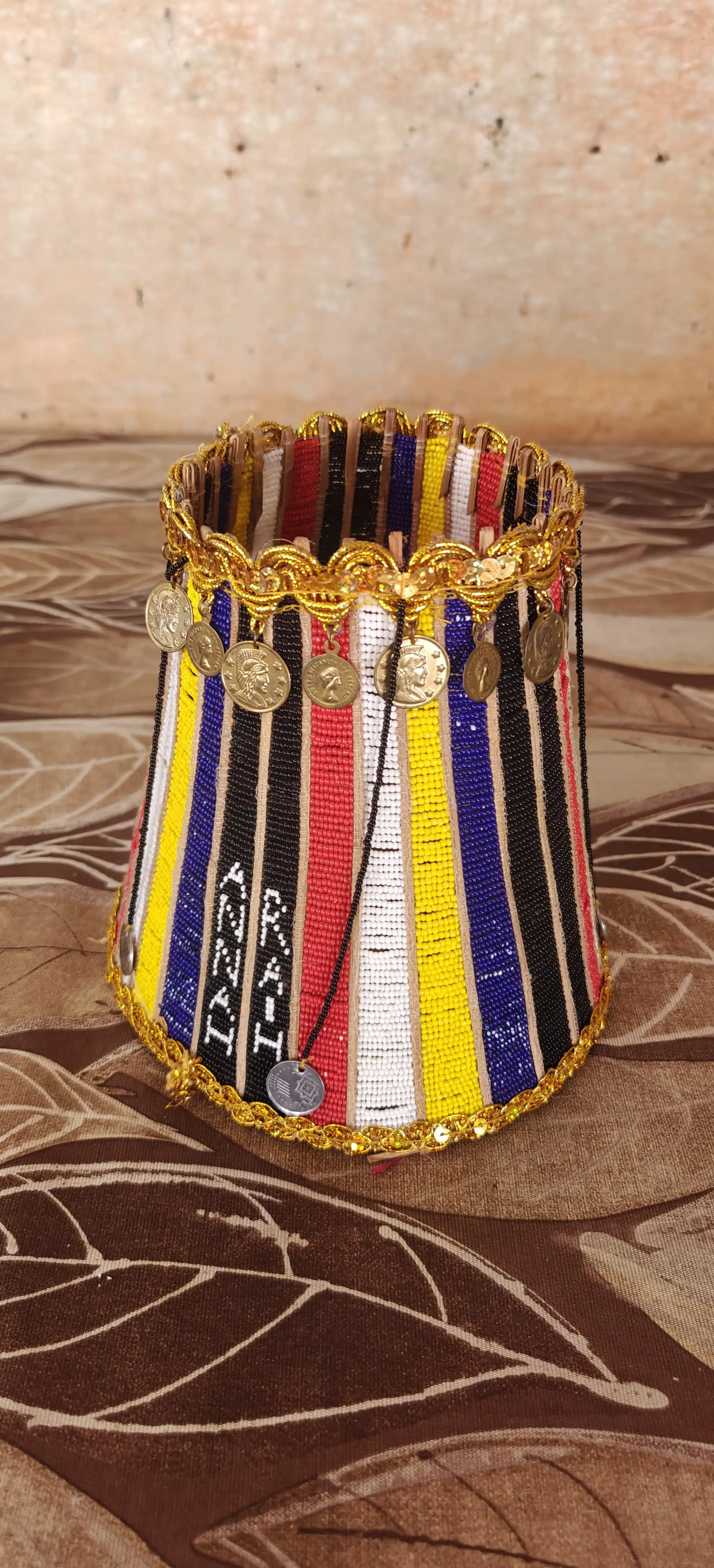
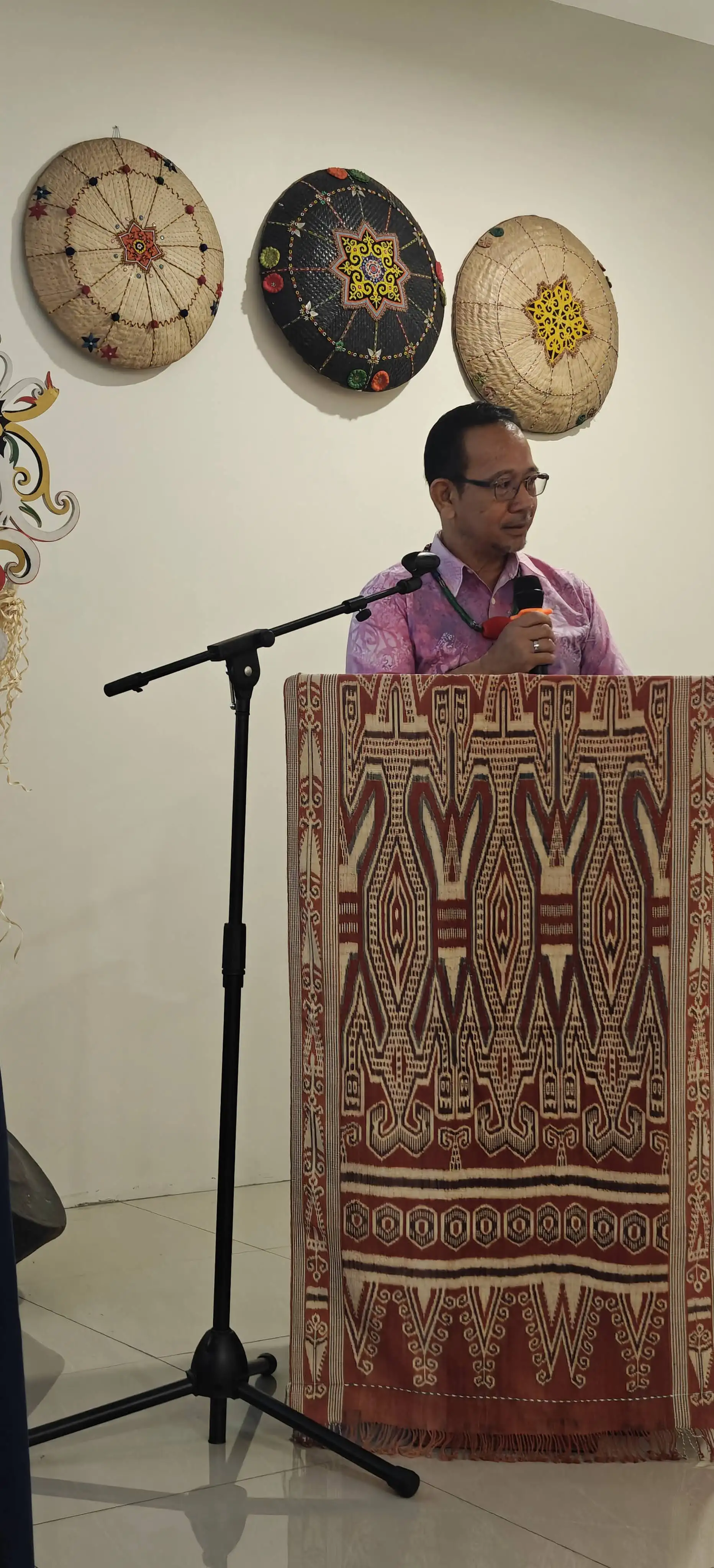
At the Borneo Cultures Museum, the team explored curated narratives of Sarawak’s diverse material cultures through exhibitions on basketry, beadwork, woodcarving, textiles, and ritual objects. The museum provided insight into how indigenous crafts are documented and presented within broader frameworks of heritage, identity, and cultural tourism. In contrast, the Tun Jugah Foundation offered a closer encounter with living textile traditions, where Iban weavers demonstrated the intricate processes of pua kumbu weaving, revealing the embodied skills, labour, and intergenerational knowledge embedded within the craft.
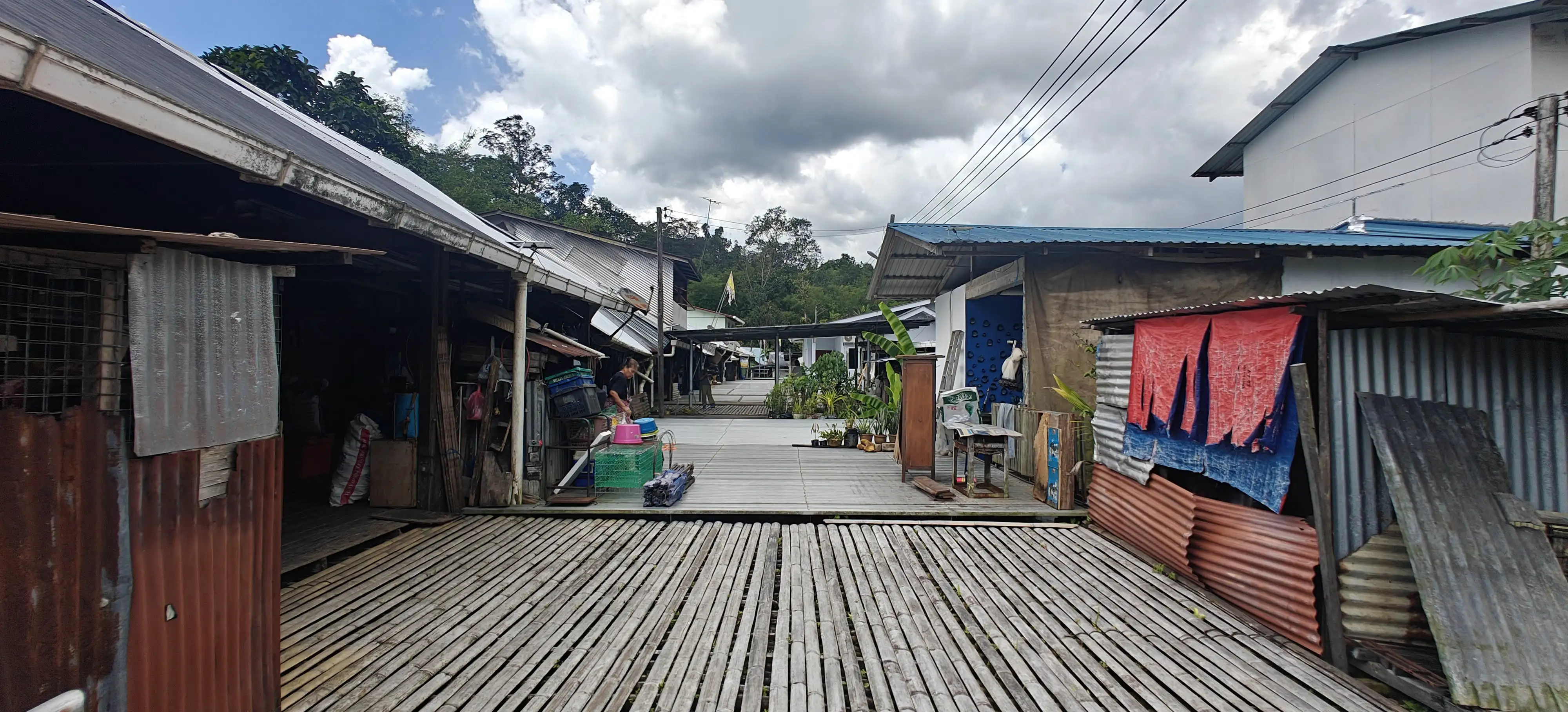
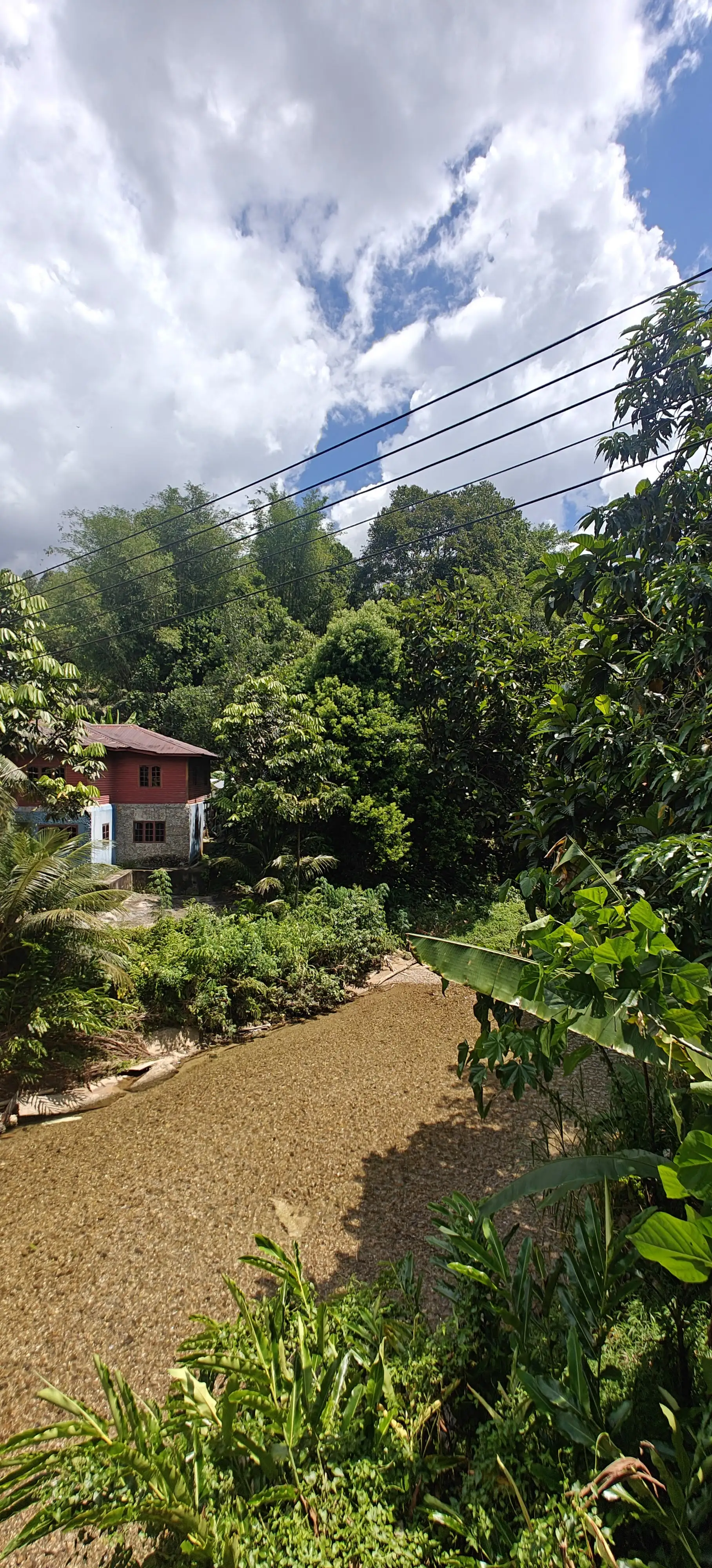
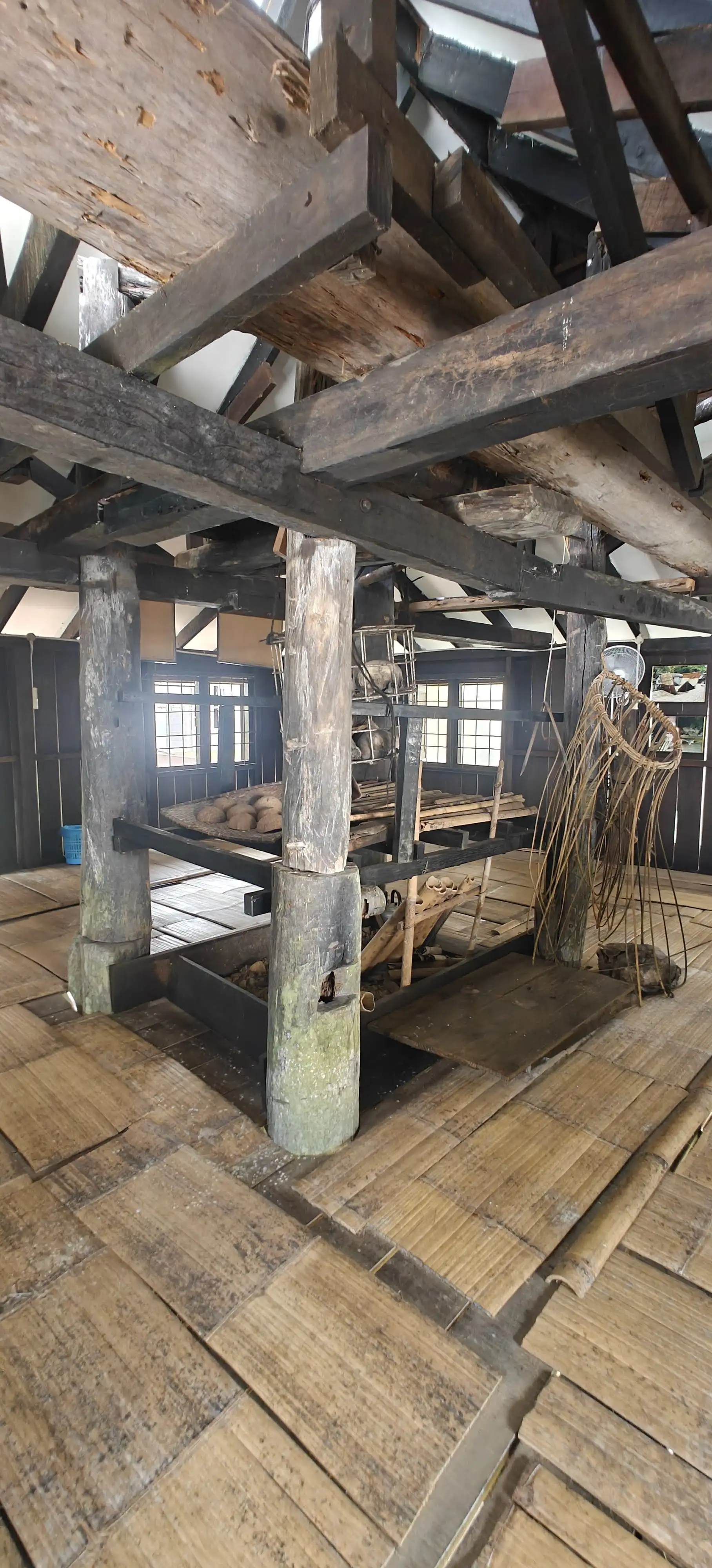
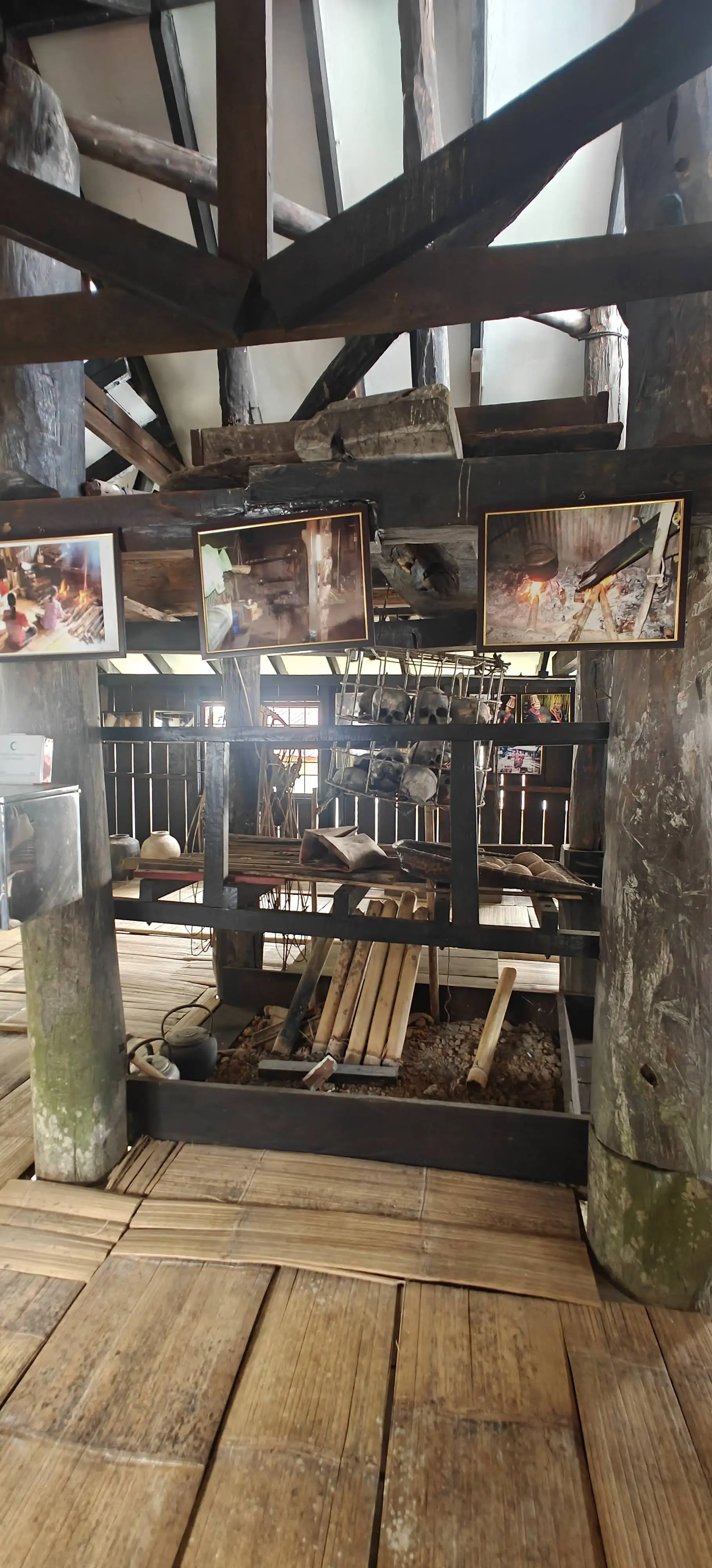
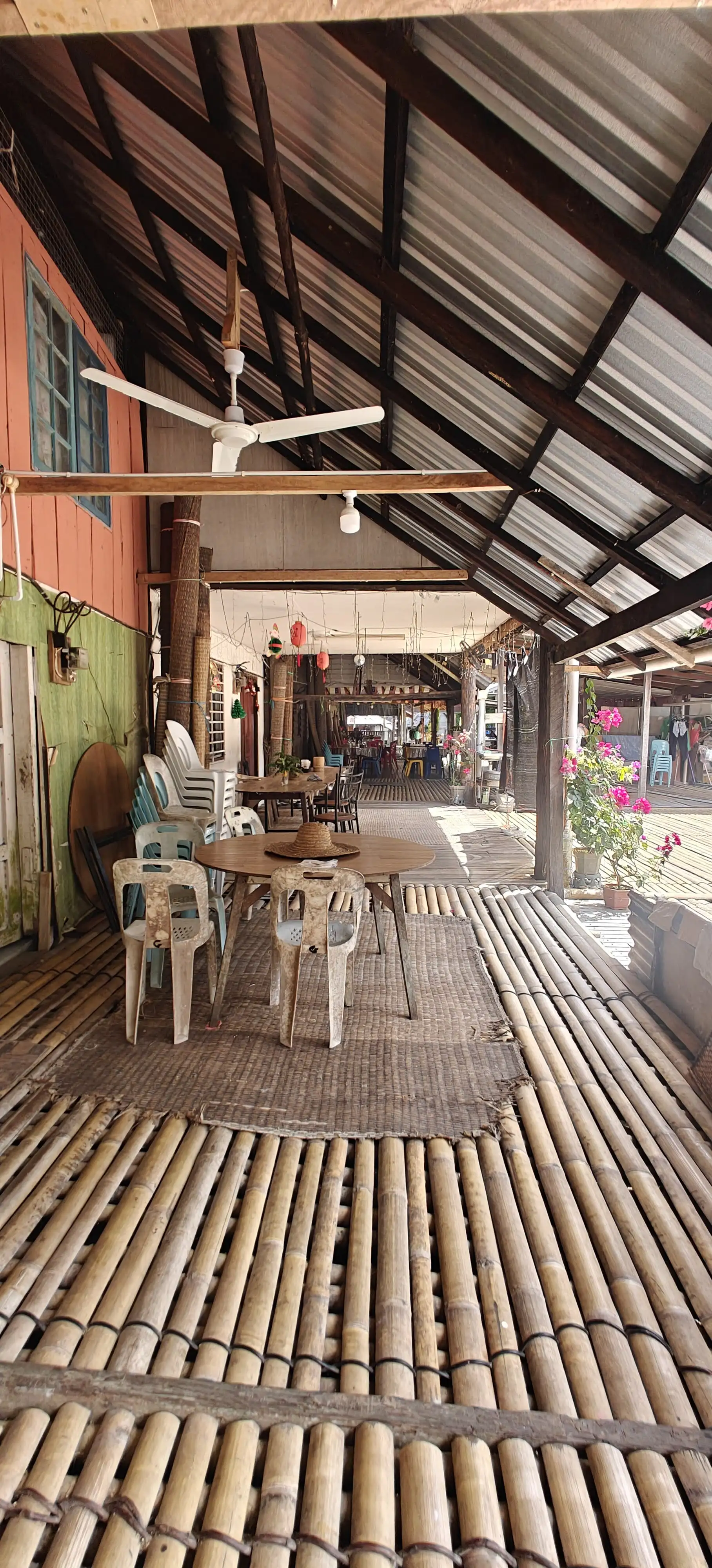
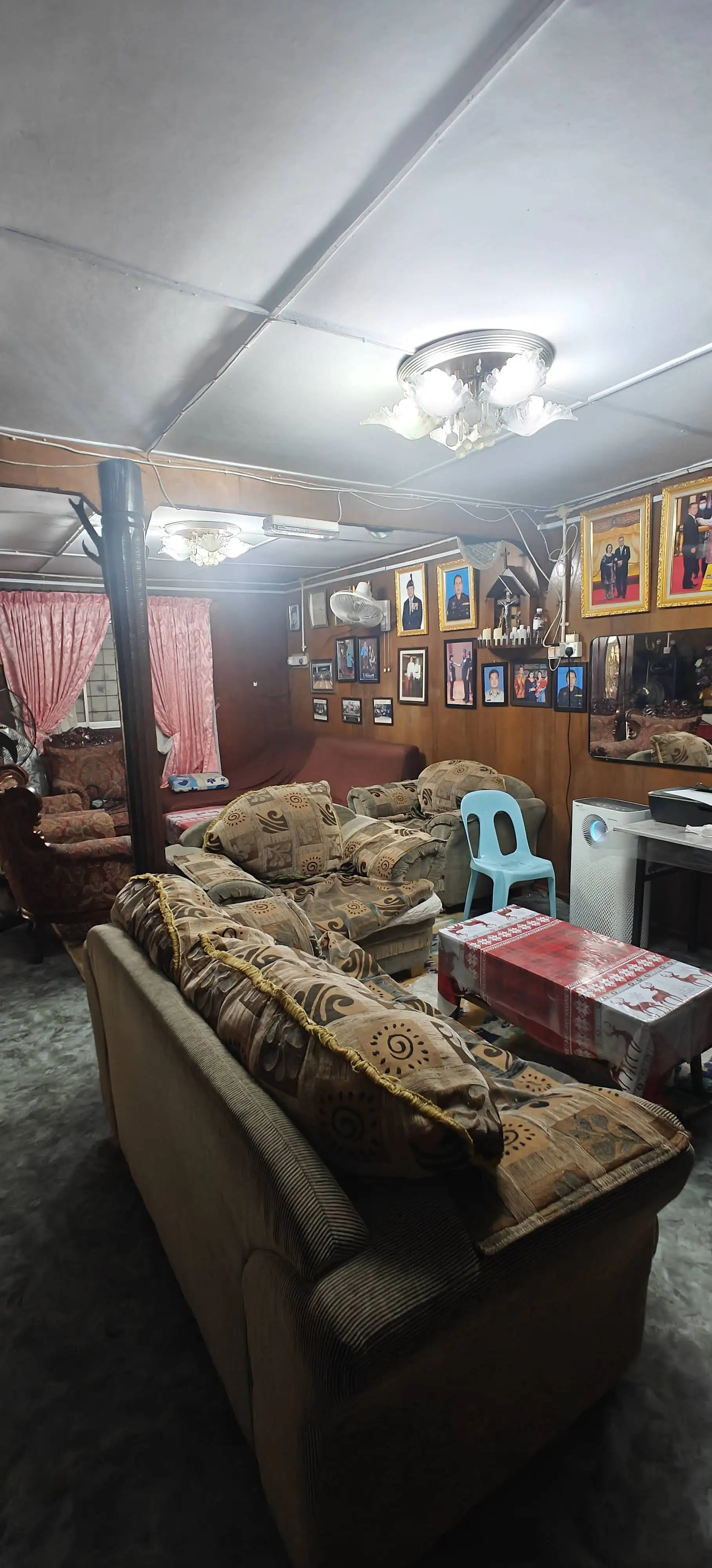
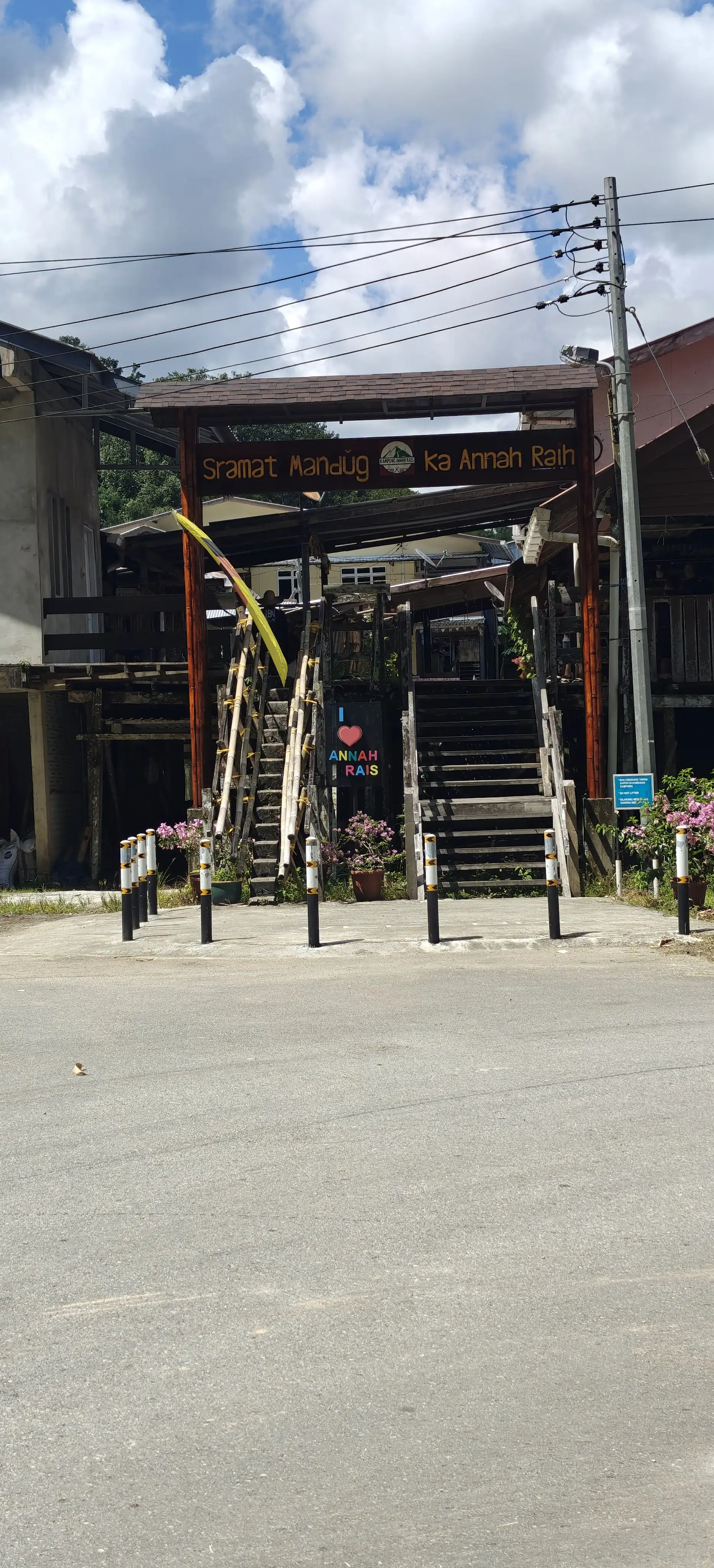
Visits to the Sarawak Cultural Village and the Annah Rais Bidayuh Longhouse expanded this exploration into the realm of vernacular architecture and community-based heritage. While the Cultural Village presented reconstructed dwellings and cultural performances within a “living museum” setting, Annah Rais provided a glimpse into an inhabited longhouse community where everyday life, tourism, and heritage conservation coexist. These contrasting contexts highlighted different approaches to representing and sustaining cultural traditions.
Throughout the journey, particular attention was given to observing craft processes including weaving, basket making, beadwork, and woodcarving. Encounters with artisans and cultural practitioners revealed how these practices continue to evolve in response to contemporary economic, social, and tourism contexts while maintaining strong connections to place and community. Collectively, these field visits deepened the project’s understanding of craft as a living, adaptive practice and provided valuable insights into the relationships between community knowledge, cultural heritage, design, and sustainable futures.
Team Members :
Jay Thakkar
Senior Associate Professor
CEPT
Rishav Jain
Associate Professor
CEPT
Collaborators :
Sarawak Craft Council